
The Decoding of the Fibonacci Sequence and Anagrams
The Da Vinci CodeThe progression of deciphering Saunière's numerical and verbal riddles, from the Fibonacci sequence to the anagram that leads to the Mona Lisa.
increasing Bearing strength in each event
 decreasing
Bearing strength in each eventdecreasingThe Scrambled Fibonacci Sequence
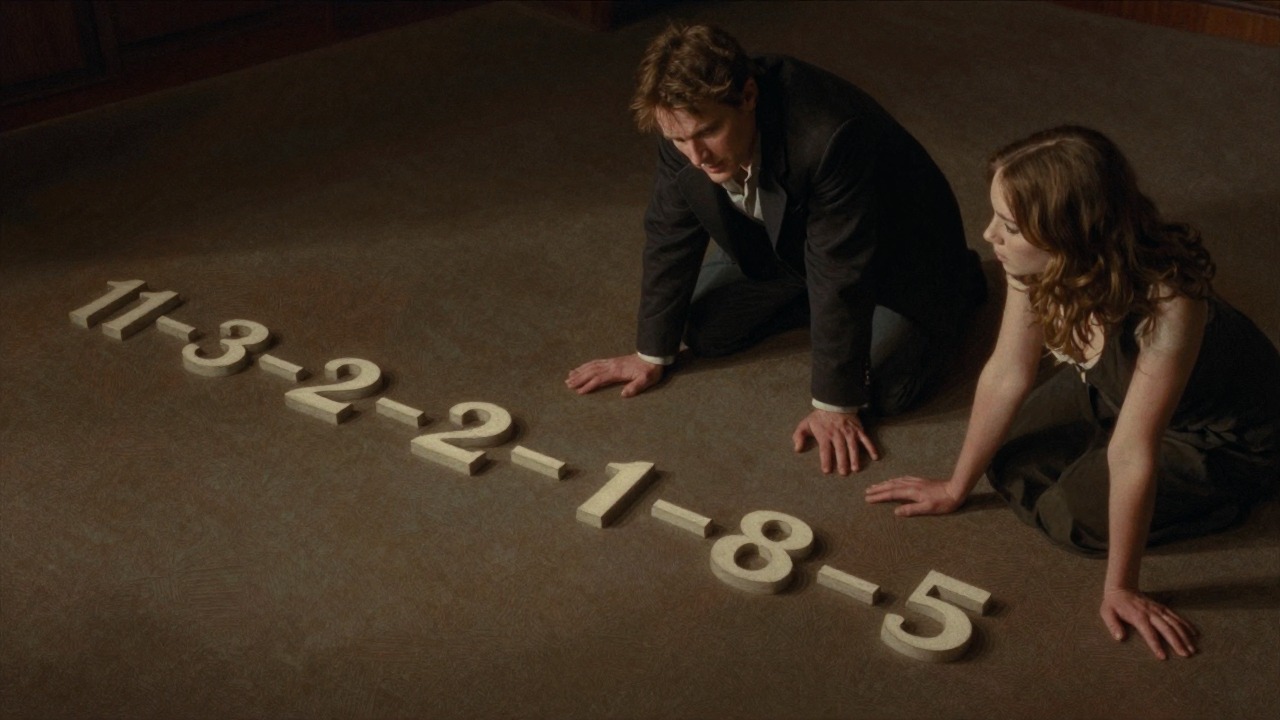
The Numbers on the Floor
Initial Confusion
Fache and Langdon stare at the sequence 13-3-2-21-1-1-8-5. Langdon notes it is a scrambled Fibonacci sequence. Fache hopes it holds a cryptographic key, but the numbers seem random. Sophie Neveu later recognizes it as a simple reordering of the Fibonacci sequence: 1-1-2-3-5-8-13-21.
The Cryptographic Joke
Sophie declares it a "mathematical prank" to draw the attention of cryptographers, ensuring she would be involved. Fache is furious, but the sequence is indeed a clue to the anagram in the text.
The Anagram: O, Draconian Devil! Oh, Lame Saint!
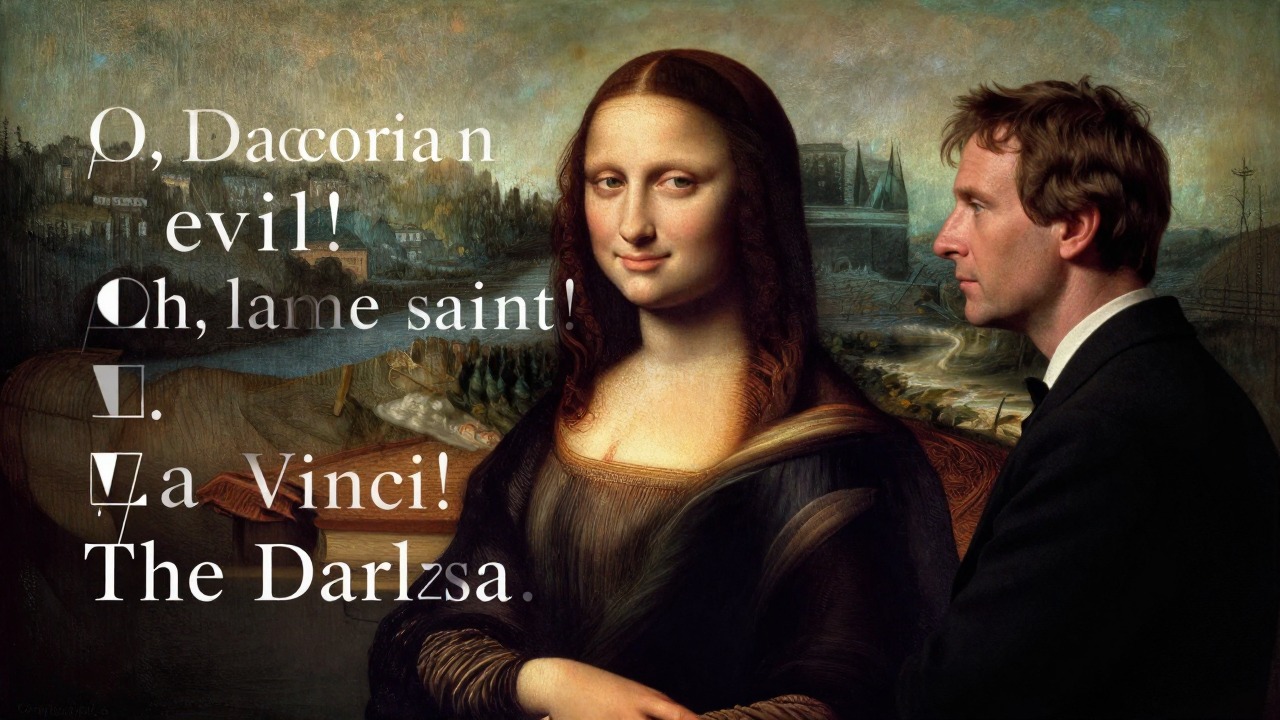
Cracking the Verbal Code
The Insight
Langdon, pondering the Fibonacci numbers, realizes they are a hint to apply the same concept — reordering — to the text. The lines "O, Draconian devil! Oh, lame saint!" are an anagram. He rearranges the letters to form "Leonardo da Vinci! The Mona Lisa!"
The Significance
This anagram reveals that Saunière's final message points to the Mona Lisa. Sophie understands that her grandfather intended her to visit the painting, where she finds the gold key hidden behind Madonna of the Rocks. The anagram is a perfect example of Saunière's love of wordplay and codes.
The Poem on the Rosewood Box
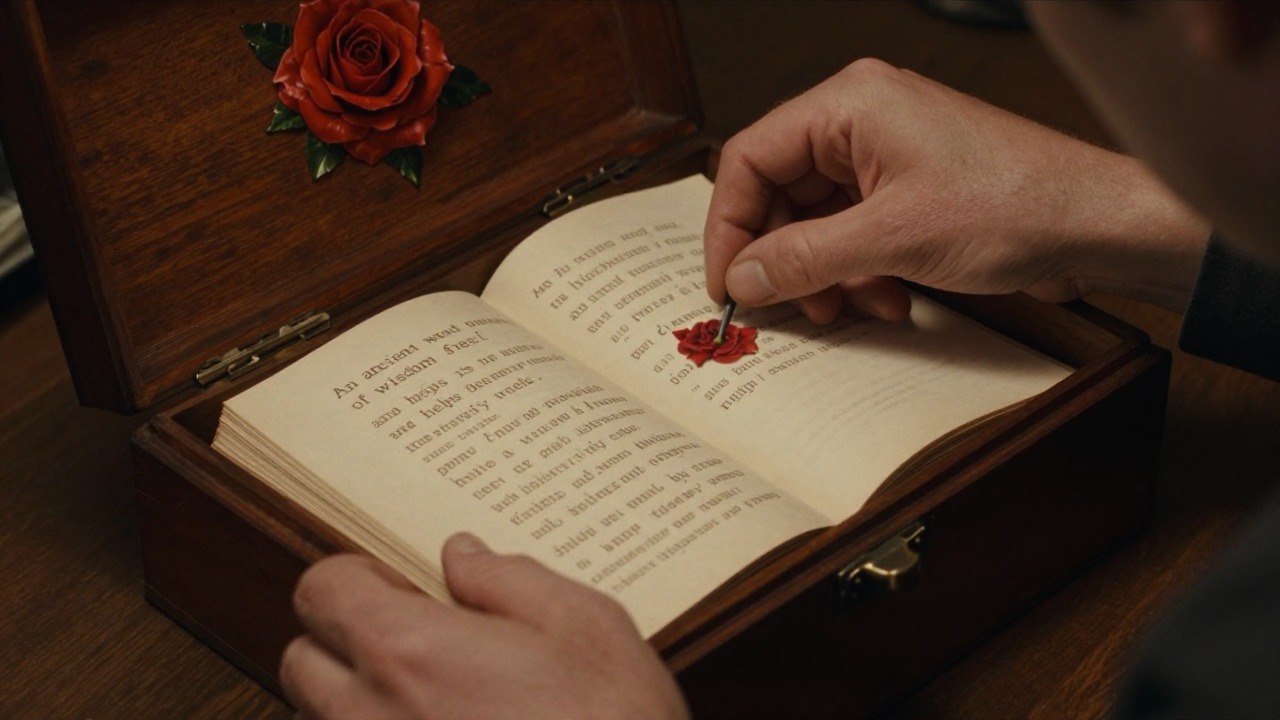
The Second Set of Riddles
The Hidden Text
Langdon discovers a tiny hole in the rosewood box lid and removes the inlaid rose, revealing a poem in reverse text. Sophie reads it: "An ancient word of wisdom frees this scroll... and helps us keep her scatter'd family whole... a headstone praised by templars is the key... and atbash will reveal the truth to thee."
Deciphering with Atbash
The poem guides them to use the Atbash Cipher on the word "Baphomet" (the headstone praised by Templars). Applying the cipher to the Hebrew spelling yields "Sophia." This password opens the first cryptex, revealing the second cryptex with another poem pointing to London.
The Second Poem and the Apple Password
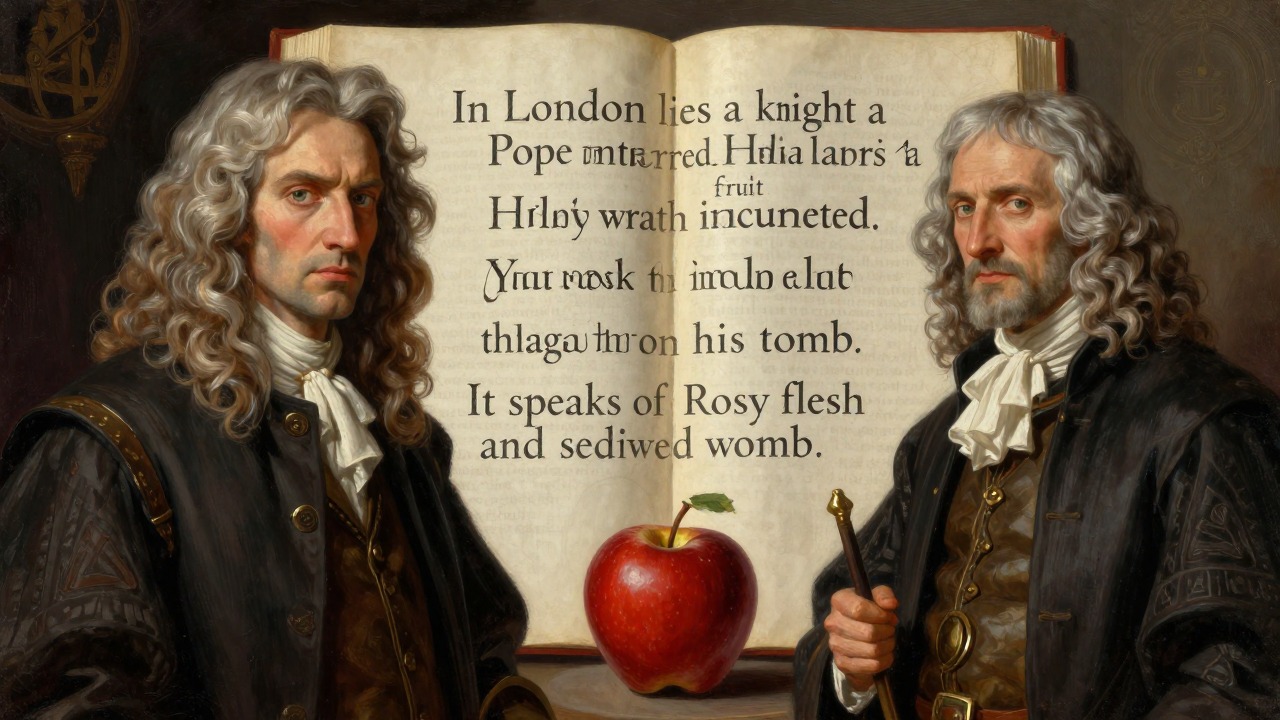
The Final Code
The Verse
The second poem reads: "In London lies a knight a Pope interred. His labor's fruit a Holy wrath incurred. You seek the orb that ought be on his tomb. It speaks of Rosy flesh and seeded womb." Langdon and Teabing deduce the knight is Isaac Newton, buried by Alexander Pope. The missing orb is the apple that inspired Newton's theory of gravity.
The Password
The password is "APPLE," representing the forbidden fruit from the Garden of Eden, which incurred God's wrath. This aligns with the theme of the sacred feminine and original sin. Sophie opens the second cryptex, revealing the final map.
Early in the Louvre investigation
After Sophie's warning, in the stairwell
At Château Villette, after opening the first cryptex
At Westminster Abbey, after finding Newton's tomb
